How to Start an Art Collection
Everything we wish someone had told us before we bought our first piece.
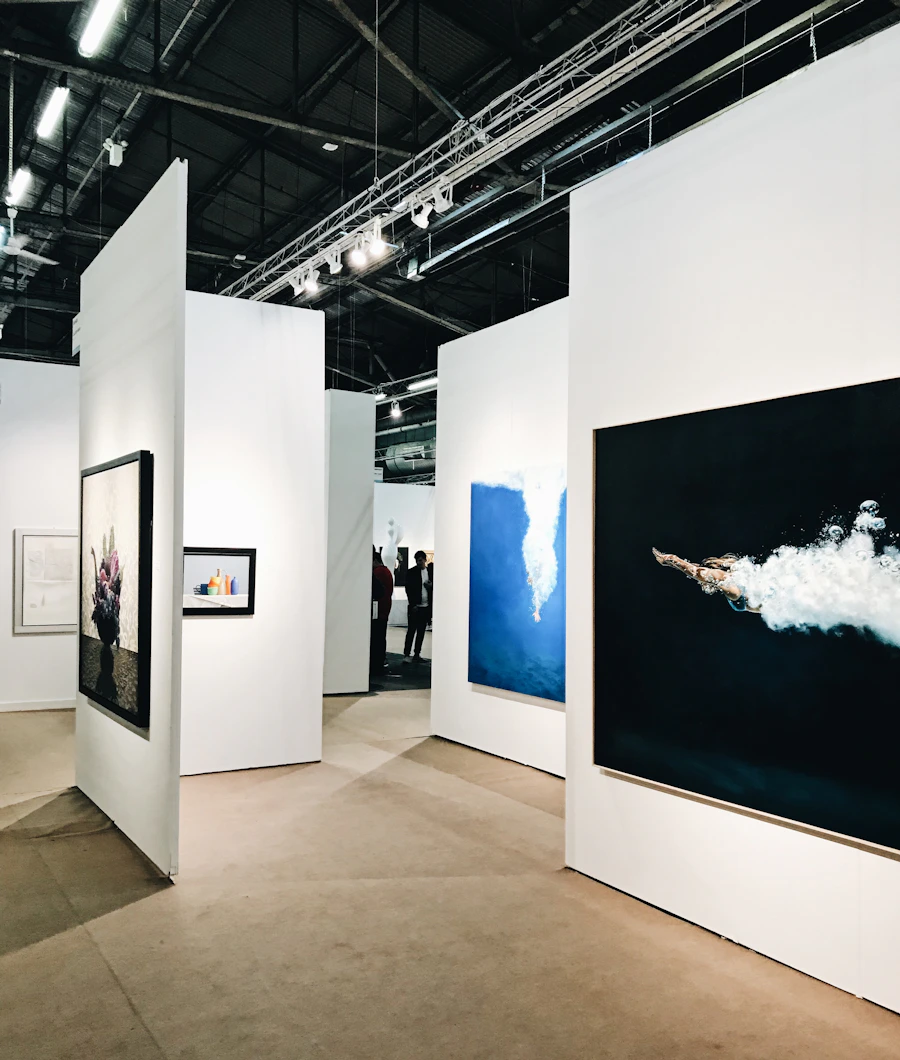
Collecting art sounds like something reserved for people with trust funds and gallery connections. It isn't. Some of the most interesting collections we've encountered were built slowly, thoughtfully, on modest budgets, by people who simply paid attention to what moved them.
This guide is for anyone considering their first original purchase — or their fifth — and wants to approach it with a bit more confidence.
Set a budget, then stick to it
The price range for original contemporary art is wider than most people expect. Signed prints and works on paper start around $150. Original paintings from emerging artists typically range from $500 to $3,000. Sculpture tends to land higher due to material and labor costs.
Decide what you're comfortable spending before you start browsing. Art has a way of making you fall in love with things just outside your budget. Having a firm number in mind prevents impulse decisions you'll regret later.
Buy what you actually like
This sounds obvious, but it's the most common mistake new collectors make. They buy what they think they should like — whatever is trending, whatever an advisor recommends, whatever seems like a safe investment. Then it goes on the wall and they feel nothing.
Your home isn't a portfolio. Buy work that makes you stop and look. Work that changes depending on your mood, the time of day, or the angle of light. If a piece doesn't hold your attention in the gallery, it won't hold your attention at home.
Where to buy
You have more options than ever:
- Galleries: Staff can walk you through available work, answer questions about the artist, and often arrange payment plans. Don't be intimidated — good galleries welcome new collectors.
- Online platforms: Sites like ours let you browse, read about each piece, and purchase directly. Look for clear pricing and a return policy.
- Art fairs: Great for exposure to a lot of work in a short time, but the pace can pressure you into buying too quickly. Go at least once just to look.
- Open studios: Many cities host annual open-studio events where you can visit artists' workspaces and buy directly. Prices tend to be lower, and you get the story behind the work firsthand.
Evaluating quality
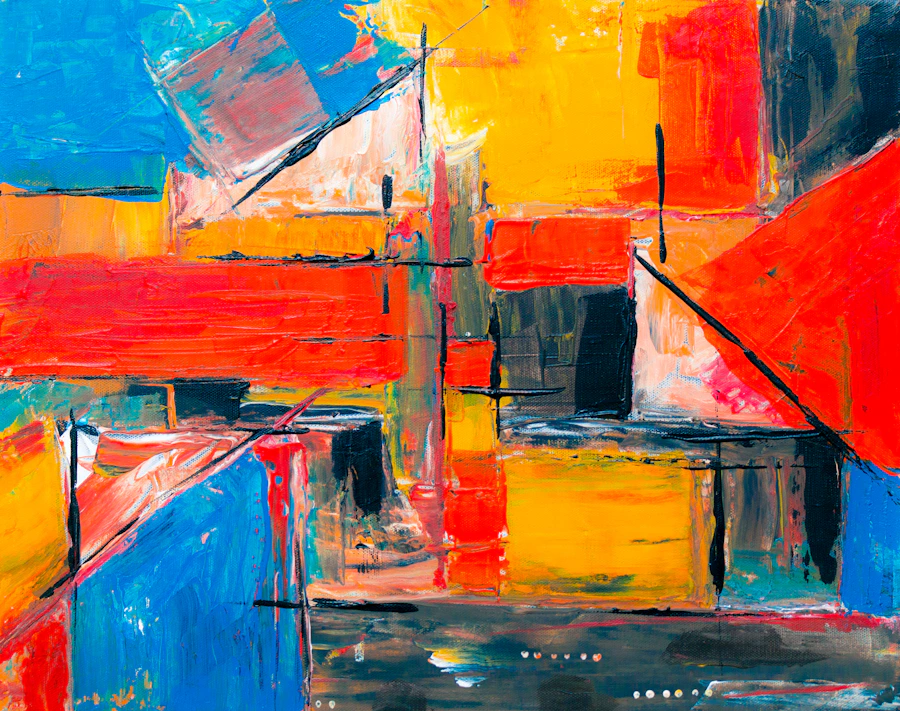
Quality in art isn't about whether you can draw a straight line. It's about intentionality. Ask yourself: does every element of this piece feel considered? Are the colors, textures, and composition working together, or does something feel accidental in a bad way?
Physical craftsmanship matters too. If it's a painting, look at the edges of the canvas, the consistency of the surface, the way the work is wired for hanging. If it's a print, check the paper quality and whether the edition is signed and numbered. These details signal whether the artist takes their work seriously.
Caring for your collection
Original art doesn't need much, but it does need some attention:
- Hang work away from direct sunlight and heat sources. UV light fades pigments over time, especially watercolors and works on paper.
- Maintain stable humidity. Wild swings cause canvas to expand and contract, which can crack paint layers.
- Dust surfaces gently with a soft brush — never spray cleaner directly on artwork.
- Keep certificates of authenticity, invoices, and any correspondence with the artist in a single file. This documentation protects the work's provenance and value.
Starting small
You don't need to buy a statement piece your first time out. A small work on paper, a limited-edition print, or a single ceramic object is a perfectly valid beginning. What matters is that you've chosen something original — something made by a human hand that carries an intent no reproduction can replicate.
When you're ready to browse, our current collection is a good place to start.